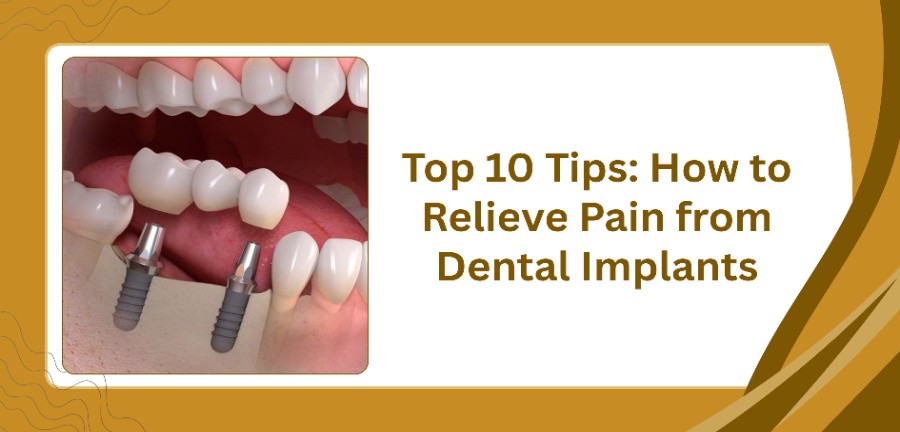
Having a Dental Implant is a big commitment towards restoring your smile and confidence. Although the procedure is generally performed with anesthesia, it is normal to feel some discomfort after the numbness wears off. It is during the recovery phase that proper management can ensure your new implant is knitted well into your body.
1. Follow Your Prescribed Medication Schedule
The best way to control pain is to stay ahead of it. Many professionals will recommend that patients take their first dose of pain medication before the local anesthetic has worn off completely. If it's OTC anti-inflammatories or prescribed pain relievers, following your dentist's recommended dosage and timing will keep discomfort at bay.
2. Use Cold Compresses Liberally
Throbbing pain after surgery is largely due to swelling. For the first 24 to 48 hours, place an ice pack outside your cheek very close to the surgical site. Follow a "20 minutes on, 20 off" cycle. This tightens blood flow vessels, takes down inflammation, and numbs that region naturally.
3. Stick to a Soft Food Diet
Adjusting your diet is one of the most important aftercare tips for taking care of dental implants. The surgical site is even more pressure-sensitive, discharging blood clots and intensifying pain. It would help if you worked on foods and which food to eat as preferred; we should consider the following:
- Warm soups (but avoid hot liquids).
- Greek yogurt and protein shakes.
- Mashed potatoes or avocados.
- Smoothies (but remember: no straws!).
- Salt-water rinses for natural healing.
4. Saltwater Rinses for Natural Healing
For 24 hours, the mouth should be gently cleaned without scrubbing. Professionals recommend mixing half a teaspoon of salt in a glass of warm water and gently rinsing the surgical area. This natural antiseptic aids in the destruction of bacteria that contribute to swollen gums and irritation, thereby minimizing a painful infectious process.
5. Keep Your Head Elevated
As blood flow to the head increases while lying flat, it can trigger more throbbing and swelling of the implant area. Use an extra pillow for the first several nights to keep your head elevated. Simply changing those positions effectively allows drainage of fluids away from the surgical site and decreases the pain level considerably.
6. Avoid Straws and Spitting
This is probably the most technical but important tip. When we suck on a straw (e.g., or just spit), our mouths create suction. This suction can remove the blood clot formed over the area of the implant and cause a painful condition called "dry socket." Allow liquids to flow freely and tip your head to allow water to run from your mouth while rinsing.
7. Practice Excellent (But Gentle) Hygiene
You should not brush near the surgical area for the first few days, but cleaning both sides of your mouth is a must. Bacteria from neighboring teeth can spread to the implant. Use a soft-bristled brush, and follow the specific cleaning routine given to you by the practitioner at World of Dentistry for sterilized healing.
8. Rest and Avoid Strenuous Activity
Although going to the gym might seem tempting, keep in mind that exercise increases both heart rate and blood pressure, which could stimulate bleeding and pain at the implant site. Your body needs at least 3 to 5 days to rest. When your focus is on healing, recovery takes place more rapidly than performance (in physicality).
9. Say No to Smoking and Alcohol
Smoking significantly hinders the blood supply to the gums, which slows down healing and increases the risk of implant failure. Similarly, alcohol can interfere with pain medications and dehydrate the mouth. To minimize pain and ensure the longevity of your investment, avoid these substances for at least two weeks post-surgery.
10. Attend All Follow-Up Appointments
Even if you feel fine, follow-up visits are essential. Dr. Rishi Rana and Dr. Charu Rana use these appointments to ensure the gum is healing correctly and that there are no early signs of complications. Early detection of minor issues prevents them from turning into painful emergencies later.
Understanding Normal vs. Abnormal Pain
It is normal to feel some soreness for 3 to 7 days after the procedure. But if you have severe throbbing pain after the first week or discover a fever and bad taste in your mouth, contact your dentist right away.
While at World of Dentistry, we have worked hard to deliver a "premium and comfortable" experience for every patient! Follow these dental implant aftercare tips, and you will enjoy years, if not a lifetime, of happy, healthy smiles.
Expert Note: If you have concerns about your own progress, please contact our Dentist in Gurgaon. Do not hesitate to reach out for help! We aim to ensure that getting a new smile is as pain-free and seamless as possible for you.