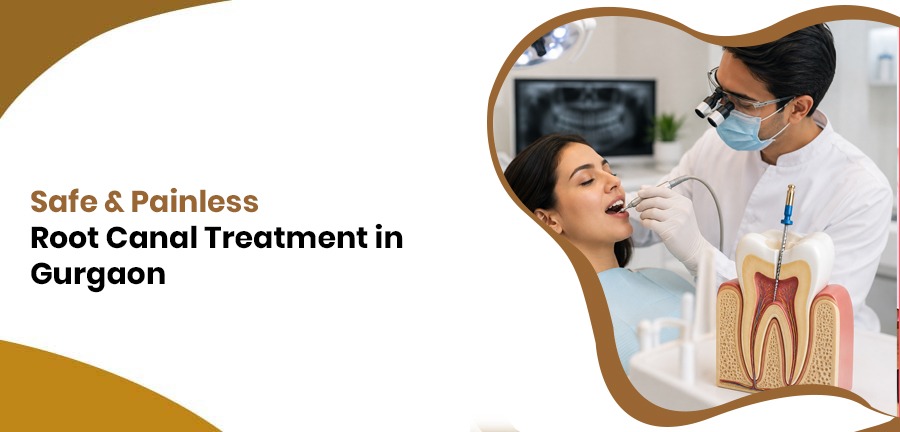
Nobody gets excited about hearing the words "root canal." Most of us have heard horror stories from parents, friends, or that one uncle who swears it was the worst hour of his life. But here's the thing: those stories are mostly from a different era. Dentistry has moved on, and so has the way root canals in Gurgaon are actually done today. Better anesthesia, better tools, and dentists who genuinely know what they're doing have turned this into a procedure that's honestly not that different from getting a filling. If you're hunting for the best root canal in Gurgaon for this, the right choice really does change how the whole thing feels.
So What Actually Happens During a Root Canal?
Every tooth has a soft core called the pulp; that's where the nerves and blood supply live. When decay, a crack, or one too many dental procedures let bacteria sneak in, that pulp gets infected. And an infected pulp doesn't stay quiet. It causes pain, swelling, and sometimes even an abscess that makes your whole jaw ache.
Root canal treatment is how dentists deal with this without pulling the tooth out. The dentist opens up the tooth, clears out the infected tissue, cleans the inside thoroughly, and seals it back up. A crown often goes on top afterward for extra strength. Result? You keep your natural tooth, and the infection that was causing you grief is gone.
Why It Doesn't Have to Hurt Anymore
Here's where a lot of people are stuck with outdated information. The fear of pain is usually the number one reason people put off treatment for weeks, sometimes months. But painless root canal treatment isn't a marketing line; it's just how modern dentistry works now, and a few things make that possible:
Anesthesia has come a long way. Dentists numb the area properly before starting, so you're not gritting your teeth through the procedure.
Rotary tools have mostly replaced the old hand files. They clean out the canal faster and more precisely, which also means less soreness afterward.
Digital X-rays let the dentist see exactly what's going on inside the tooth before they even begin, so there's far less guesswork involved.
A lot of clinics in Gurgaon now finish the whole treatment in a single sitting instead of dragging it across multiple visits.
Some clinics even use lasers to disinfect the canal more thoroughly, which cuts down the chances of reinfection later.
Put it all together, and most patients describe feeling pressure at most, not sharp pain. That's a big shift from what people expect walking in.
How Do You Know You Need One?
A few warning signs tend to show up before things get serious. Worth paying attention to if you notice:
A throbbing pain that gets worse when you chew; teeth that react badly to hot or cold, and the sensitivity lingers; gums that feel tender or look swollen near a particular tooth; a tooth that's started looking darker than the rest; A small, pimple-like bump on the gum that keeps coming back; Pain that seems to get worse at night for no obvious reason
If any of this sounds familiar, don't wait it out, hoping it'll settle on its own. It rarely does, and catching it early usually means a simpler treatment.
What About Recovery?
Root canal recovery time is another thing people worry about more than they need to. Most patients are back to their routine within a day, sometimes two.
The first day or so, you might feel a bit of soreness where the work was done; that's completely normal. A regular painkiller handles it fine, and it's smart to skip anything too hard to chew on that side for a bit.
By day three or four, that tenderness has usually faded on its own. Brushing gently and keeping the area clean speeds things along.
Give it a week, maybe two, and the tooth should feel like any other tooth in your mouth again, especially once the permanent crown or filling is in place, since that's what really locks in the protection long-term.
One thing dentists always mention, and it's worth actually listening to: avoid chewing on that side until the crown is fitted. Skipping this step is how people end up with entirely avoidable complications.
Picking the Right Clinic in Gurgaon
Gurgaon isn't short on dental clinics, but not all of them are equally good at root canals specifically. A few things worth checking before you book:
Does the dentist actually specialize in endodontic work, or is root canal just one of many things they do occasionally? Do they have the equipment, digital X-rays, and rotary systems, or are they still working with older tools? Are the costs laid out clearly upfront, with no surprise additions later? What do actual patients say about their comfort during treatment, not just the results? Is the clinic properly sterilized and hygienic, and do they explain their protocols if asked? Can they offer single-sitting treatment if your schedule doesn't allow multiple visits?
A clinic worth choosing will walk you through the procedure, answer whatever questions you have, and offer sedation options if you're someone who gets anxious in the dentist's chair.
Summary
Root canal treatment has earned an unfair reputation over the years, but it really isn't the ordeal people imagine anymore. With the right dentist and the right clinic, you can get through a safe and painless root canal treatment without the dread and without losing your natural tooth in the process. If a toothache has been bothering you for a while, don't just push through it. Early treatment is almost always simpler than waiting for things to get worse. Find a trusted dentist in Gurgaon, book that consultation, and get it sorted before it turns into a bigger problem.