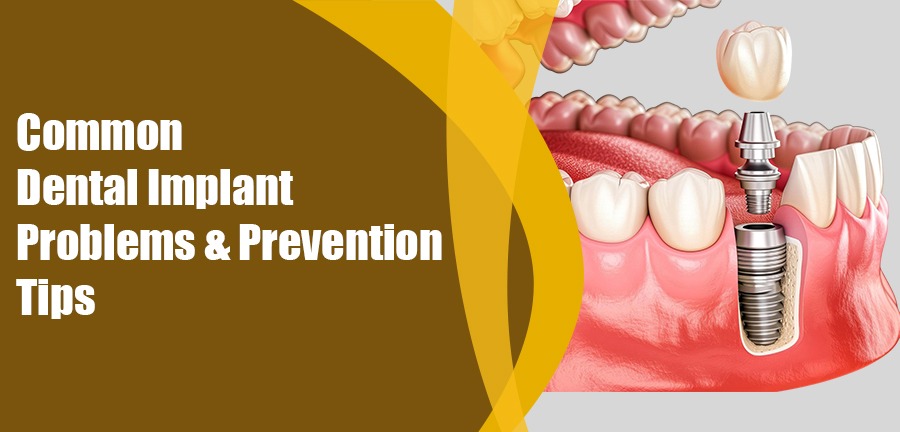
The blog is focused on dental implants and discusses how effective dental implants can be if you've been aware of potential problems and strategies to help ensure them longevity. There are good reasons for the success of dental implants, which are generally long-lasting replacements for missing teeth like any other surgical restoration through education and aftercare.
What Dental Implant Problems Are You Most Likely Available?
If you have a dental implant, you are likely to experience some type of problem related to complications of infection or nerve damage, and problems with the attachment of the crown to the implant.
Infection (Peri-Implantitis): This is a significant cause of late-stage dental implant failure and is characterized by inflammation of the gums and surrounding bone.
Implant Failure or Loose Implant: When the bone of the jaw does not appropriately fuse with the implant during the process called osseointegration, it leads to implant failure, which can be caused by causing bone loss to occur later from infection.
Nerve Damage: This is an uncommon complication that typically occurs when implants are in close proximity to a major nerve, resulting in pain, numbness, or tingling in the lips, chin, or tongue.
Fractured Implants: When the titanium implant is broken due to an excessive amount of force on it or alignment problems with the bone.
Aesthetic Issues: There is a possibility that the crown itself may be positioned incorrectly and that the aesthetic appearance or location of the crown has been compromised and there may be gum recession at the implant site.
What leads to the failure and complications of dental implants?
Complications related to dental implants are typically caused by a number of biological, mechanical, or systemic factors, which can occur either during the period of planning or aftercare. Some of these factors include:
Poor osseointegration, which is an early failure caused when the jawbone does not sufficiently fuse to the implant. Some of the contributing factors to this are smoking, poor quality of bone, or inadequate amount of time for healing to occur.
Poor oral hygiene due to poor brushing and flossing habits. With this poor oral hygiene there would be an accumulation of bacteria which would lead to a chronic infection (peri-implantitis).
Overloading the implant, when a crown is placed on the implant too soon, or when too much bite force is being applied (grinding/clenching of teeth) before the implant is fully incorporated.
Smoking reduces blood flow to the gums and bones, negatively affecting the healing process. Additionally, if you smoke, the chance that your implant will be infected and/or fail increases as much as 20%.
Systemic diseases, such as uncontrolled diabetes or certain types of autoimmune disorders, can negatively affect a person's ability to heal and fight infections surrounding the implant.
Poor surgical planning due to the improper position or angling of the implant because of inadequate pre-surgical imaging, i.e., CT scans.
What is peri-implantitis and how is it treated?
Peri-implantitis is an inflammatory disease that destroys the supporting tissues (bone/soft tissue) of an implant. It leads to declines in the amount of supportive bone around an implant, and is treated with supragingival and subgingival debridement of the infected tissues of the surrounding areas.
Implant disease develops when bacteria create an environment conducive to chronic bacterial infection (perimucositis), which results in an inflammatory response from the surrounding gum tissue. When not treated, the perimucositis can deteriorate the bone supporting the dental implant.
Typical Symptoms Are:
Bleeding gums, swelling, painful gums in the area of the implant, pus, and movement/looseness of the dental implant.
Treatment Options:
Non-Surgical Treatment: In the early stages, patients are treated with intensive professional cleaning (debridement) of the implant to eliminate any plaque or calculus from the surface, typically accompanied by the use of antibiotics to combat the bacterial infection.
Surgical Treatment: Advanced stages of implant disease typically require a surgical approach. The gum tissue may need to be removed to allow the surgeon access to the implant, and bone grafting materials may be used to regenerate bone loss due to infection.
Extraction: If significant bone loss is present and the implant has become very mobile, the only option may be to remove the implant.
How can I prevent dental implant complications?
Preventing complications with dental implants is dependent on thorough pre-operative planning by your dentist and strict compliance to post-operative care by you.
Pre-Operative Planning:
Your dentist should utilize a 3D Cone Beam CT (CBCT) imaging system to assess the volume of bone available for implant placement as well as to identify critical anatomical structures.
Before having an implant placed in your mouth, treat any gum disease or decay that may presently exist. If there isn't enough bone volume, have the necessary bone grafting done before going for the implant.
We at World of Dentistary, believe that good habits truly develop a healthy dental health! Here are a few recommedation from our experts:
Maintain Good Cleaning Habits: Clean your teeth and implant twice daily, concentrating on the area where the crown of your implant meets the gum line. Follow specific cleaning recommendations from your dentist such as using floss, water flossers and interdental brushes designed specifically to clean under and around the implant.
Change Your Lifestyle: Stop smoking altogether. It is the most effective way to improve healing and maintain a good long-term prognosis. If you grind your teeth (have bruxism), wear a night guard made especially for you; it will reduce the stress on your dental implant.
Seek Routine Professional Care: Visit a dental hygienist every three to four months for regular cleanings and to monitor the condition of your implant and teeth. Regular dental instruments can be damaging to dental implans. Ensure that your dentist takes regular x-rays to check on the bone condition surrounding the dental implants.
What should you do if you think you have a dental implant issue?
If you believe that there is a problem with your dental implant (pain, swelling or looseness), you should contact a dental specialist who has experience in implant dentistry and periodontics.
The professionals at World of Dentistry are trained in the diagnosis, prevention, and treatment of peri-implant diseases. We use specialized diagnostic tools and personalized maintenance protocols to ensure the long-term health of your dental implants.