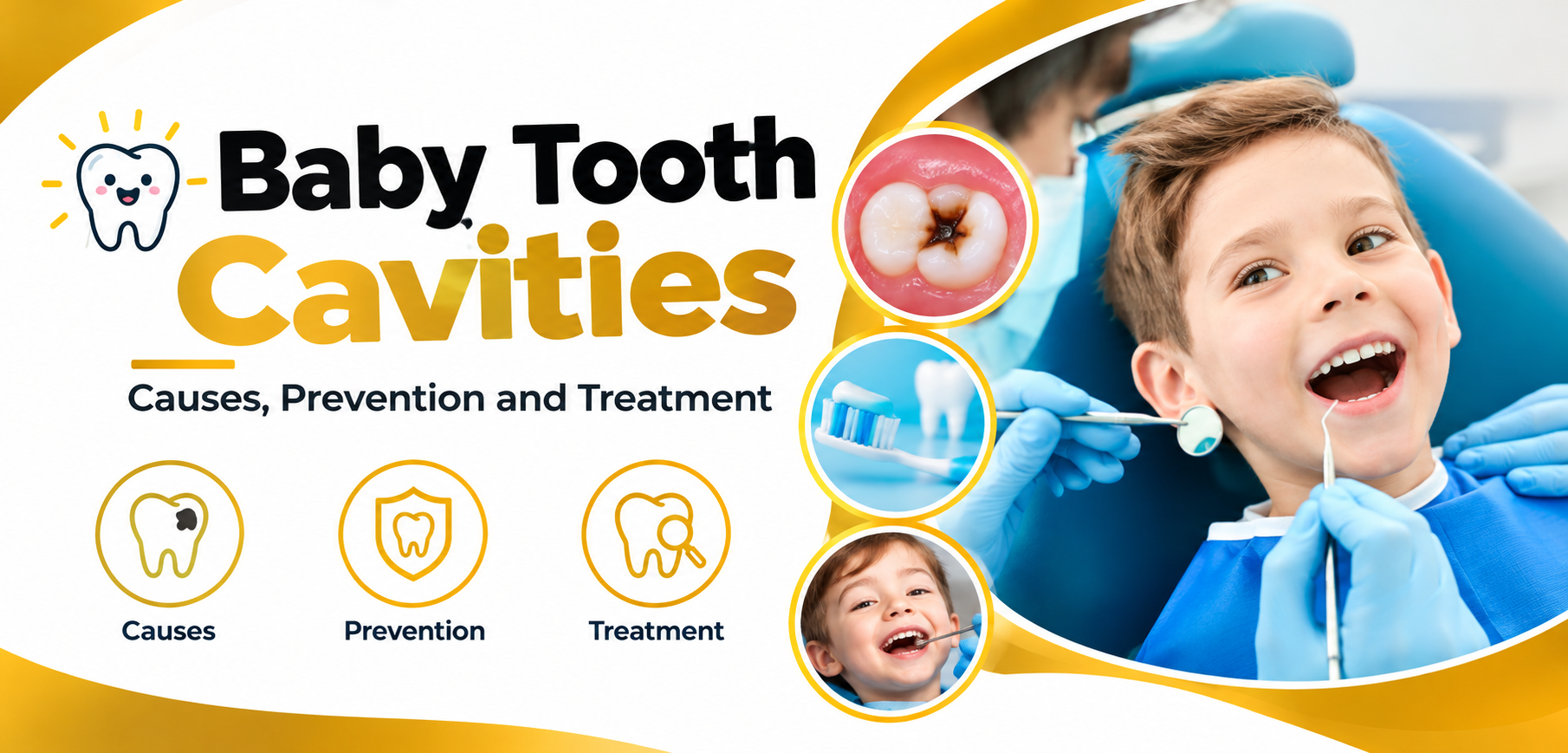
Baby Tooth Cavities: Causes, Prevention and Treatment
Baby tooth Cavities is one of the most prevalent health issues with young children and many parents are unaware of how quickly it can happen. In just a few months a small white or brown spot can develop into a "hole" and cause discomfort for the toddler, particularly if they snack a lot. Fortunately, cavities in baby teeth are largely preventable and if they do occur, early treatment is easy. Some tips for every parent.
Baby teeth are important!
For many people, the baby teeth concept is easy to forget that they're temporary. In fact, they assist your child in chewing, speaking clearly and having confidence in his smile. They also "save" the space that permanent teeth will have to shift into. When a baby tooth has severe decay or when it falls out prematurely, adjacent teeth may shift into the gap and result in crowding and bite issues later in childhood.
Decay may also lead to pain, swelling and infection which can make it difficult for a child to sleep or eat. That's why cavities in milk teeth are to be treated the same as cavity in an adult tooth.
What is causing cavities in baby teeth?
Dental caries occur when the bacteria in the mouth feed on sugar, creating acid which erodes the tooth's protective enamel. Baby teeth have less enamel and decay progresses more quickly.
The most common triggers are frequent sugar. These bacteria are nourished by sweets and biscuits, packaged juices, flavoured milk and sticky snacks - and repeated feedings throughout the day are more harmful than the quantity. The mouth never gets a break when it is gnawing all the time.
Another culprit is night feeding. A bottle of milk or juice will coat the teeth for several hours when you fall asleep, as there is less saliva produced during sleep. This is known as baby bottle tooth decay and typically strikes the front top teeth first.
As do poor brushing habits. It's hard for young children to clean their teeth themselves and plaque collects unnoticed, especially in the grooves of the back teeth. It is possible for bacteria to transfer from parents to children via sharing of spoons or by cleaning a pacifier with saliva.
Signs to Watch For
However, cavities can occur at an early age and can be easily missed, which is why regular checkups are important. Watch for early symptoms—white chalky patches near the gum line. Subsequently, the spots can become yellow, brown or black. The child might complain about hot, cold, and sweet foods, may not chew on one side or have bad breath that does not resolve. If gums are swollen or there is a small bump on the gum, it is an indication of infection and should be attended to promptly.
To prevent baby tooth decay, follow these tips:
Prevention starts before the first tooth comes in. After feeds gently clean your baby's gums with a damp, clean cloth. After teeth erupt, brush with a soft child size toothbrush, twice a day. Use a small smear of fluoride toothpaste (no more than a grain of rice) for children under three. A "pea-sized" amount is okay from age three. It is important for parents to supervise or assist with brushing until it is done properly, which is typically around seven or 8 years of age.
Don't give your child a bottle of anything but water at bedtime. Encourage transition from bottle to cup at 1-year mark. Reduce sugar consumption, especially sugary snacks and drinks throughout the day, and stick to sugar snacks at meal times. Drink water between meals, and snack on crunchy fruits and veggies instead of sticky snacks.
Also, regular dental checkups are the same. The first visit is best done at the time of the first tooth or by one year of age. A dentist can use fluoride varnish, seal the deep grooves in the back teeth, and she can identify problems before a parent can. A warm and friendly doctor with children in Gurgaon is also beneficial for your child's first visit to the dental office to make it a normal and non-threatening experience.
Treatment for Baby Tooth Cavities.
Treatment will vary depending on the extent of decay. When the damage is only to the enamel, and occurs at an early stage, the dentist can prevent or reverse it using fluoride and improved home care.
After a cavity has developed the decayed portion is cut away and the tooth is filled. But the materials are usually tooth-colored and the repair will naturally look like the tooth. If the decay has gone deeper and involves the nerve, a pulp treatment or baby root canal might be required to save the tooth. If the tooth cannot be saved, in severe cases, it may need to be pulled from the mouth and a space maintainer may be fitted in place to provide space for the permanent tooth.
Treatment can be much more manageable for children with anxiety who are able to communicate with the doctor, using modern equipment, and, in some cases, with the doctor's help of sedative. A good pedodontist in Gurgaon will explain in layman's terms, and work at your child's speed.
How to Make Your Child Feel at ease
Your attitude affects your child's attitude. Talk in a positive manner about dentist visits, and don't make the dentist a threat. Read teeth-related books and have your child pick out a toothbrush, and remind them to brush well. Such little things can change the attitude of a child from dreading seeing a dentist to sitting in the chair with joy.
Conclusion
Baby tooth cavities are not a normal occurrence but very common. With just a few simple steps you can help keep your child's smile safe from the start: limit sugar, brush and floss your child's teeth twice daily, avoid having your child sleep with a bottle and make regular visits to the dentist. If you see the early signs, get to work quickly as small holes are easier and less of a hassle to treat than large ones. For parents, the best Child dentist in Gurgaon is World of Dentistry, Sector 46, Gurugram offering family dental care for the whole family and daily hours until 11 pm. Your baby's teeth are important to the health of your adult smile, so start taking care of them now!